
Are You Missing This Essential Nutrient for a Sharp Memory? Find Out!
Are you feeling a bit forgetful lately? You’re not alone. This time of year often drives us to reflect on our health, especially how we can improve our brain function. If you’re someone who cares deeply about memory improvement and staying sharp, you’re in for a treat. I put this post together to help you uncover the essential nutrients that could be missing from your diet, impacting your memory and overall brain health.
In this guide, we’ll explore a range of nutrients that support your cognitive abilities. You’ll learn how simple adjustments to your meals can lead to significant benefits. From omega-3 fatty acids to vitamin B12, I’ve gathered insights on 10 vital nutrients that may enhance your memory. The best part? You’ll walk away armed with practical tips on how to incorporate these nutrients into your daily routine, helping you become the sharpest version of yourself.
Get ready to nourish your brain with delicious and nutritious foods. This journey will not only empower your memory but also enrich your overall well-being. Let’s dive into the essential nutrients that your brain craves!
Key Takeaways
Contents
- 1. Omega-3 Fatty Acids: The Brain’s Best Friend
- 2. Antioxidants for Brain Protection
- 3. Vitamin B12: The Memory Booster
- 4. Curcumin: The Golden Spice
- 5. Vitamin D: The Sunshine Vitamin
- 6. Hydration: The Underestimated Factor
- 7. Dark Leafy Greens: Natural Brain Food
- 8. Limit Sugar Intake: A Smart Choice for Your Brain
- 9. Regular Meals: Consistency is Key
1. Omega-3 Fatty Acids: The Brain’s Best Friend

Are you looking to boost your memory and cognitive function? Omega-3 fatty acids are your brain’s best allies. These essential fats not only improve memory but also reduce inflammation, making them vital for your overall brain health (National Institutes of Health, Office of Dietary Supplements; Mayo Clinic). Luckily, incorporating omega-3s into your diet is straightforward and delicious!
You can find omega-3s primarily in fatty fish like salmon, mackerel, and sardines. If fish isn’t your thing, don’t worry! Flaxseeds, walnuts, and chia seeds are fantastic plant-based alternatives that bring similar benefits, too (Harvard T.H. Chan School of Public Health). Try throwing them into smoothies or salads for a nutritious twist.
To get started, whip up a tasty salmon salad with mixed greens, cherry tomatoes, and a drizzle of olive oil. This simple dish not only satisfies your taste buds but also supports your cognitive functions. Remember, adding omega-3s to your diet may support improvements in your memory (National Institutes of Health, Office of Dietary Supplements).
Sources
National Institutes of Health, Office of Dietary Supplements — Omega-3 Fatty Acids Fact Sheet
Harvard T.H. Chan School of Public Health — Omega-3 Fatty Acids and Health
Mayo Clinic — Omega-3 in Fish: How Eating Fish Helps Your Heart
2. Antioxidants for Brain Protection

Do you want to protect your brain and enhance your memory? Antioxidants are your secret weapon! These powerful nutrients help combat oxidative stress and inflammation, both of which can hinder cognitive function (National Institutes of Health, Office of Dietary Supplements). Plus, they make your meals delicious and vibrant!
Foods rich in antioxidants, like berries, dark chocolate, and green tea, are great for your brain. Blueberries, in particular, are known to improve communication between brain cells, which may enhance memory (Harvard T.H. Chan School of Public Health). Snack on a handful of mixed berries or add them to your breakfast for a delightful boost.
Additionally, enjoy a piece of dark chocolate—aim for 70% cacao or higher—to reap the benefits of flavonoids that may help support blood flow to the brain (Mayo Clinic). Drinking green tea not only offers antioxidants but also promotes relaxation and focus. With these tasty options, boosting your memory can be a sweet experience!
Sources
3. Vitamin B12: The Memory Booster

Want to keep your brain sharp and your memory intact? Vitamin B12 is essential for nerve health and cognitive function. This vital nutrient helps produce DNA and red blood cells, and a deficiency may contribute to memory loss and brain fog (National Institutes of Health, Office of Dietary Supplements).
You can find vitamin B12 mainly in animal products like meat, fish, eggs, and dairy. If you’re vegetarian or vegan, look for fortified foods, such as plant-based milks and cereals. A supplement may also be beneficial to help meet your needs.
For a delicious way to incorporate B12, try a savory omelet with spinach, tomatoes, and feta cheese for breakfast. Or enjoy a hearty chicken stir-fry for lunch. Both dishes not only taste amazing but also nourish your brain, helping to keep your memory sharp.
References
National Institutes of Health, Office of Dietary Supplements. Vitamin B12 Fact Sheet for Health Professionals.
Vitamin B12: The Memory Booster
Editor’s Choice

Vitasoy Unsweetened Long Life Almond Milk, 1 Litre (Pack of 12)
 Amazon$24.00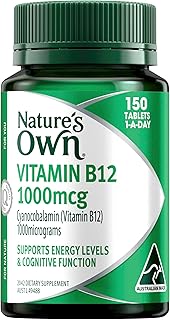
Nature’s Own Vitamin B12 1000mcg Tablets 150 – Vitamin B Supports Energy…
Amazon$18.43
Nestlé Nestum All Family Cereal Original 1 kg MultiGrain Hot Cereal, …
Amazon$20.004. Curcumin: The Golden Spice

Curcumin, the active ingredient in turmeric, is a remarkable compound that may support memory and cognitive function. Its anti-inflammatory and antioxidant properties make it a valuable addition to your meals, helping to support brain health (National Center for Complementary and Integrative Health).
Adding turmeric to your dishes can be simple and rewarding. Incorporate it into soups, smoothies, or even make a cozy golden milk drink. Pair it with black pepper to help enhance its absorption in the body (National Center for Complementary and Integrative Health).
A flavorful option is to prepare a curry with chickpeas and vegetables, seasoned generously with turmeric and cumin. Not only does it fill your plate with vibrant colors, but it also supports your brain. Regularly adding turmeric to your meals can be a simple way to help support cognitive function.
References
National Center for Complementary and Integrative Health. Turmeric.
5. Vitamin D: The Sunshine Vitamin

Are you feeling sluggish or forgetful? Vitamin D plays a crucial role in brain function and memory. Research suggests low levels of vitamin D may be associated with cognitive decline and memory impairments (Annweiler et al.).
You can increase your vitamin D through sunlight exposure and foods like fatty fish, mushrooms, and fortified options like milk and cereals. For those in less sunny areas, a supplement may be beneficial to help maintain adequate levels (National Institutes of Health, Office of Dietary Supplements).
To boost your vitamin D intake, enjoy meals such as grilled salmon with sautéed mushrooms or fortified oatmeal topped with banana slices. Both options are not only delicious but also packed with nutrients to support your brain health.
References
Annweiler C, et al. Vitamin D and cognitive function: an update of clinical data.
National Institutes of Health, Office of Dietary Supplements. Vitamin D Fact Sheet for Health Professionals.
6. Hydration: The Underestimated Factor

Are you forgetting things or struggling to concentrate? Staying hydrated is key to optimal brain function (Popkin et al., 2010). Even mild dehydration can impact your cognitive abilities, making it harder to focus and recall (Ganio et al., 2011).
Make it a habit to drink plenty of water throughout the day, aiming for at least eight 8-ounce glasses (National Academies of Sciences, 2005). If plain water isn’t appealing, add slices of lemon, cucumber, or mint for a refreshing twist.
You can also include hydration-rich foods like cucumbers, watermelon, and oranges in your meals (Popkin et al., 2010). A hydrating salad with mixed greens, bell peppers, and juicy tomatoes can keep you refreshed and focused. Keeping a reusable water bottle nearby is a great reminder to stay hydrated!
References
Popkin BM, D’Anci KE, Rosenberg IH. Water, hydration, and health. Nutrition Reviews. 2010.
Ganio MS et al. Mild dehydration impairs cognitive performance. Journal of Nutrition. 2011.
National Academies of Sciences. Dietary Reference Intakes for Water. 2005.
7. Dark Leafy Greens: Natural Brain Food

Want to supercharge your brain health? Dark leafy greens are packed with essential nutrients, including vitamins A, C, E, and K, which are crucial for protecting the brain and enhancing cognitive function (Morris et al., 2015).
Foods like kale, spinach, and collard greens are excellent additions to your diet (Morris et al., 2015). They are versatile and can be enjoyed in salads, smoothies, or stir-fries, making it easy to fit them into your meals.
Try making a hearty kale salad with avocado, cherry tomatoes, and a lemon vinaigrette for a delicious side dish that supports brain health. You could also toss spinach into your morning smoothie for a nutrient boost without overwhelming the taste. Aim to fill half your plate with these greens to enjoy their brain-boosting benefits (Boeing et al., 2012).
References
Morris MC et al. MIND diet associated with reduced incidence of Alzheimer’s disease. Alzheimer’s & Dementia. 2015.
Boeing H et al. Critical review: vegetables and fruit in disease prevention. European Journal of Nutrition. 2012.
8. Limit Sugar Intake: A Smart Choice for Your Brain

Are you noticing memory lapses or brain fog? Excessive sugar can negatively affect your brain function and memory (Kullmann et al., 2016). High sugar consumption is linked to inflammation, which may impair cognitive abilities over time (Kullmann et al., 2016).
To support your memory, it’s wise to limit sugary snacks and beverages. Instead, opt for natural sweeteners like honey or maple syrup when necessary. Fresh fruits are also a great alternative to candy, providing fiber and essential vitamins.
While transitioning to a lower-sugar diet can be challenging, focusing on whole, nutrient-dense foods will make it easier. Remember, nourishing your body with healthy options may lead to better brain function. Always read labels to stay informed about hidden sugars in processed foods.
References
Kullmann S, Heni M, Fritsche A, Preissl H. Brain insulin resistance at the crossroads of metabolic and cognitive disorders. Nature Reviews Neuroscience. 2016.
9. Regular Meals: Consistency is Key

Feeling unfocused or tired? Regular meal times are crucial for maintaining steady energy levels throughout the day. Skipping meals or eating erratically can lead to dips in blood sugar, which may affect concentration and memory.
Establishing a routine helps your body and brain perform at their best. Aim for balanced meals every 3–4 hours, including protein, healthy fats, and complex carbohydrates.
A simple meal plan could include oatmeal for breakfast, a turkey and veggie wrap for lunch, and grilled chicken with quinoa and steamed broccoli for dinner. Snacking on nuts or yogurt between meals may provide an extra energy boost. Setting reminders can help you stay on track with your meals and support your overall brain performance.
Conclusion: Nourish Your Memory With Essential Nutrients

Your memory is a vital part of who you are, and what you eat can significantly impact it. By incorporating essential nutrients like omega-3 fatty acids, antioxidants, and vitamins into your diet, you can support brain function and help enhance memory.
Remember, small changes can lead to meaningful results in maintaining a sharp mind.
Explore these dietary tips and create delicious, healthy meals that nourish your memory. What will you add to your menu today?


